
It’s been said that when you die, a split-second tape of your entire life plays in your head. There’s a joke among codependents that when they die, the tape that plays in their head is someone else’s life.
A codependent will sacrifice their thoughts, wants and needs for those of another. They will give and give some more, subconsciously searching for approval and/or validation to fill a void. That emptiness is a sensation of not feeling valued or feeling like they are not enough.
Codependents are addicted to another person (sometimes called “relationship addiction”) and believe they cannot function without the relationship. The need to manage, fix, caretake and problem solve becomes paramount in their lives. As harmful as substance abuse, the compulsive nature of codependency can lead one down a dark path of emotional conflict and turmoil, wreaking havoc on a daily basis.
A codependent’s sense of self becomes blurred, and it can be almost impossible to discern where they end and the other begins. Last on their list of priorities is self-care.
Codependency, at its core, is not a negative trait. We hopefully seek to extend ourselves beyond the narrow confines of our egocentric selves to find meaning, fulfillment and purpose in performing selfless acts. But for individuals who have grown up with an insecure attachment to their primary caregivers, filling an emotionally empty vessel can become an unresolved lifelong need. Poor boundary setting, people-pleasing and difficulty asserting wants and needs are but a few of the dysfunctional challenges that codependents face.
There is hope in finding the way out. Let’s explore a few ways to attain freedom from codependency.
Love your inner child. Codependent behaviors develop to cope with painful, unanswerable questions. Young children cannot think abstractly or outside the box until approximately age 12. After a traumatic experience, they may hold onto feelings of inadequacy or fault that don’t go away. It’s time to develop a safe, loving relationship with your inner child. Let the child within know they are loved unconditionally and safe from harm. When you champion your inner child, you can allow yourself the gift of finally exploring life through an adult lens.
Prize and praise yourself. Instead of getting lost in the abyss of another, it’s time to acknowledge your own gifts and attributes. There is no one like you, and it’s your time to shine!
Read the Codependent Bill of Rights. I encourage you to read the Codependent Bill of Rights, a therapeutic concept promoting self-care, self-worth and the right to emotional safety that has evolved over time within the recovery movement.
Attend CODA meetings. Codependents Anonymous also offers in-person and online meetings. Take advantage of the support, nurturing and understanding these groups can provide.
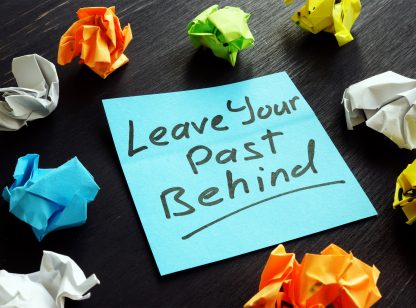
Isn’t it time to come home to yourself? Breaking free may feel challenging, but you won’t regret the journey.
Dr. Amy Austin is a licensed marriage and family therapist (MFC#41252) and doctor of clinical psychology. She can be reached at (760) 774.0047.

























Comments (1)
Dr. Amy is always so spot on. Loved this article. Thank you!