
When your feet hurt, it makes everything harder. We’re always on our feet, making the pain impossible to ignore. The most common causes of foot pain include Morton’s neuroma, bone spurs, tarsal tunnel syndrome, plantar fasciitis and stress fractures. Sometimes it’s hard to tell which one is causing the discomfort, but differentiating the pain is key to treating the condition.
Let’s start with Morton’s neuroma, a painful condition that affects the ball of the foot, most commonly between the 3rd and 4th toes. When the nerve between these toes thickens from inflammation, it can swell, turn red and compress the nerve. Over time, this can cause sharp pain, tingling or numbness.
Common causes include wearing high heels or tight shoes that constrict the feet, long-distance running, poor foot mechanics, excessive pronation and gait misalignment. The pain can sometimes be mistaken for tarsal tunnel syndrome, bone spurs, or stress fractures. Relief often comes simply from taking your shoes off and putting your feet up.
Tarsal tunnel syndrome is caused by posterior tibial nerve compression as it passes behind the ankle bone (the medial malleolus) through the tarsal tunnel. Symptoms include burning, tingling and numbness in the sole or heel, sometimes radiating to the toes. This pain worsens after standing or walking, and that “ahhh” feeling when you finally sit down is very telling.
We must also mention plantar fasciitis, which is very common but lacks a specific manual test. The hallmark symptom is that “pebble in your shoe” feeling when you first step out of bed in the morning.
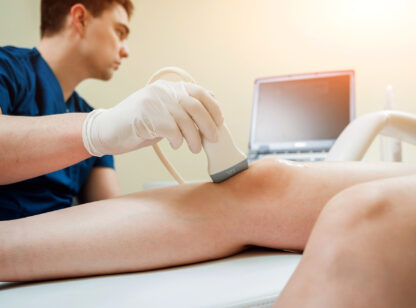
Diagnosis. Typically, we start with manual muscle testing which may include compression, pressure or tapping on specific nerves or regions. Imaging can help, but not always. For example, a bone spur may show up on an X-ray but might not cause much pain, while a stress fracture may not appear on an X-ray but will show on a bone scan (I know that firsthand!).
Treatment. A conservative approach is always recommended, such as modifying your shoes with lifts, arch support or orthotics. These can help correct pronation or fallen arches. Switching to wide or cushioned shoes and avoiding high heels can also be beneficial. No more Jimmy Choos! If you want some height, opt for wedges with a back strap, and avoid flip-flops that go between the big toe and second toe as they are generally not good for the feet.
Try using heat and Epsom salt foot baths for tight, sore feet, or treat yourself to reflexology, one of my favorite therapies. Acupuncture or electroacupuncture can also be very effective in relieving nerve pain.
Medical interventions may include corticosteroid injections (50% effectiveness1); chemical nerve ablation (70–80% success in reducing nerve sensitivity2); surgical options, such as decompression or nerve removal for Morton’s neuroma or tarsal tunnel syndrome; and shockwave therapy which is proving very effective for plantar fasciitis.
The most important thing is to listen to your body. Once you feel pain or irritation, pay attention and don’t procrastinate. Get it checked out early—you’ll have more options and can find relief for your aching feet sooner.
Diane Sheppard is a licensed acupuncturist and doctor of traditional Chinese medicine with AcQPoint Wellness Center. She can be reached at (760) 345.2200. For more information, visit acqpoint.com.
References: 1) https://pmc.ncbi.nlm.nih.gov/articles/PMC4545130/; 2) https://www.ncbi.nlm.nih.gov/books/NBK537360

























Comments (0)