
The Santa Rosa Mountains glowed in soft morning light as I set out on the Bear Creek Oasis Trail, a hike I expected to finish, not one that would end with a helicopter evacuation.

It was February, and the trail’s rocky washes and cactus-lined ridges were coming alive with winter blooms in purple, yellow and white. I was prepared: a protein-rich breakfast, a large Yeti bottle of ice water, a second Yeti with an electrolyte drink, a 20‑pound pack with first-aid and emergency supplies and two experienced friends.
I am an experienced hiker and a strong athlete who also enjoys weight training, cardio and swimming. But despite a healthy lifestyle and long-term effort, I couldn’t lose weight, so I began taking Zepbound (tirzepatide) under medical supervision. For six months, I’d learned how to fuel workouts and control blood sugar while on the GLP-1 medication. I adjusted meals to include smaller, dense servings of protein and complex carbs and I monitored hydration closely. That morning, I followed my usual routine and felt confident and excited to see the desert in bloom.
The hike: Bear Creek Oasis and the climb
It was a cool 63 degrees when we began the hike at 7 a.m. Just before mile two, the switchbacks began to climb quickly. My friends moved a bit faster, and after 30 minutes at a steady climbing pace,
I started to lag behind, though still sipping water and electrolytes. The trail was fully exposed to the sun. An hour in, I felt queasy and nibbled a protein bar. We finally reached our goal: shade near the oasis. I ate a small orange and rested, but my heart rate, monitored on my watch, stayed unexpectedly high. My friend insisted on carrying my pack, and we began hiking back as the temperature rose.
The turn: nausea, dizziness and rapid decline
Half a mile later, I felt faint. Another stop, more water, a packet of energizing Gu. Nausea persisted. Then the dizziness was so severe I thought I might pass out. I sat, vomited and became very weak; I was really out of it. My friends sprang into action cooling my head with water, activating an ice pack, and using a foil emergency blanket to make shade, while continuously monitoring my heart rate. With vomiting, elevated resting heart rate, lack of sweating, severe fatigue, and muscle cramps (classic red flags for heat illness), I could not safely hike back the remaining 3.5 miles. They called 911.

The rescue
Rescue arrived by helicopter from the Riverside County Sheriff’s Department. Because the terrain wouldn’t allow a landing, officers descended by hoist, clicked me into a hot seat and lifted me into the aircraft. The blur of lights and rotor wash felt unreal; I was too weak to fully comprehend what was happening. Later, in the hospital, I realized how close I’d come to heat stroke and how critical my friends’ quick assessment and the sheriff department’s skill had been. I was extremely lucky.
What went wrong: how factors converged
I believe several interacting factors converged: strenuous, exposed climbing with rapid elevation gain; a heavy pack; increasing heat; and physiological effects related to the Zepbound. In my case,
I was eating and drinking, but my body could not use what I consumed as effectively during the intense climb. The suppressed appetite made it harder to maintain the frequent fueling my
body needed.
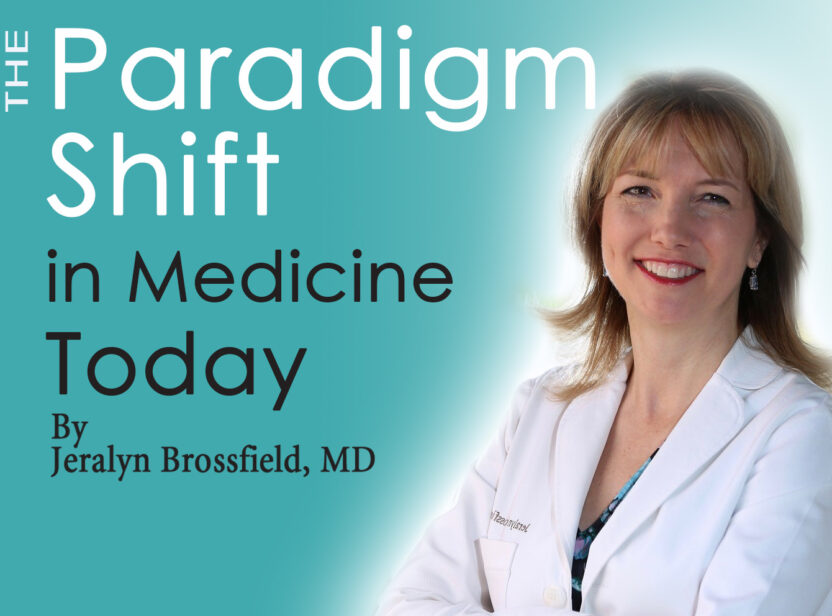
Obesity Medicine Specialist Jeralyn Brossfield, MD, explains, “While the medical literature states that GLP-1 receptor agonists do not increase the risk of heat stroke, there are predominant risks for persons using these medications due to the appetite-lowering effects and GI-related side-effects.” She adds that people may not take in as much fluid as recommended, and may lose more water and electrolytes than they realize. Thus, they may be at greater risk of dehydration and heat stroke due to low hydration status.
Lessons learned: practical takeaways from the trail
Zepbound has helped me make progress with my health, but I now proceed with new caution. I survived because of preparation, alert companions and a professional rescue, but the experience forced a change in how I manage activity on medications that blunt appetite and affect digestion and hydration. I’ve adjusted my hiking routines since that day: smaller, denser meals; enhanced pre-hydration and drinking small amounts of liquid throughout the day; stricter pacing; lighter packs; and clearer communication with friends about early signs.
Reflection: how this changed my approach to activity and medication
I don’t regret taking Zepbound; it has been life-changing! I am reversing a disease pattern that has caused the death of three family members before the age of 69. I am now well informed about how appetite suppression and altered digestion affect what my body needs on the trail, especially hydration. The experience humbled me and reminded me that preparation must include awareness of medication effects and honest communication with companions.
I am grateful to my friends whose quick actions kept me from progressing into heat stroke. I also share immense respect and gratitude for the Riverside County Sheriff’s Department and Hemet Valley Ambulance for their prompt and professional rescue.
Keena Hormel of Indio welcomes questions at klinnhormel@gmail.com. This article is a shared personal experience and is not intended as medical advice. If you have questions about weight loss or other medications and their effect on physical activity, speak with your doctor or health care professional.


















Comments (0)