
Do you find yourself anxious often or perhaps anxious in certain situations? You are not alone, and finding ways to calm your mind can really help.

Anxiety is a complicated mental health disorder that requires a wide range of approaches to manage it effectively. Lifestyle changes, including nutrition, can help, as there are foods that help reduce anxiety and others that will contribute to it. Choosing the right foods can significantly reduce the amount of anxiety you experience and help improve your mood.
Fish. Be sure to add fish to your diet every week, including salmon, mackerel, sardines, trout and herring, as they are high in Omega 3. These incredibly important fatty acids have been shown to play an essential role in cognitive function and mental health and can improve anxiety and depression.
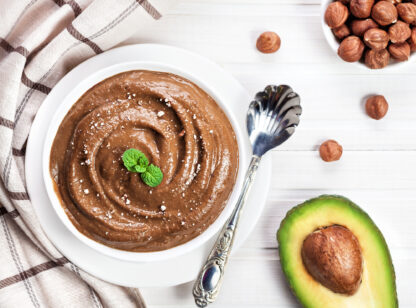
Dark chocolate. Many recent studies have shown that dark chocolate is a rich source of polyphenols, especially flavonoids. These mood-enhancing plant compounds not only boost your mood, but are also powerful antioxidants that help protect your body from diseases. Look for bars that contain 70% or more cacao. Only a small amount is needed to feel the benefits.
Brazil nuts. Brazil nuts are high in selenium, an antioxidant that is important for the cells in our body. This can reduce inflammation, which is often at heightened levels if you have a mood disorder such as anxiety. The good news is that you only need to eat three or four Brazil nuts a day to get enough selenium to meet your body’s needs.
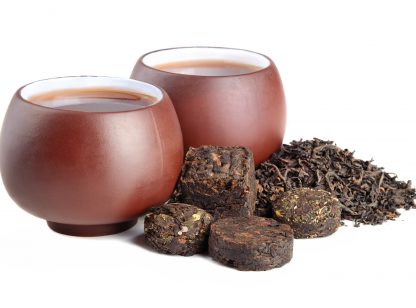
Chamomile. Chamomile is a daisy-like plant most commonly used to make tea and has long been associated with its calming and relaxing effects. Evidence also suggests chamomile may be effective for reducing depression. It is also rich in polyphenols—many of which have anti-inflammatory and antioxidant properties.
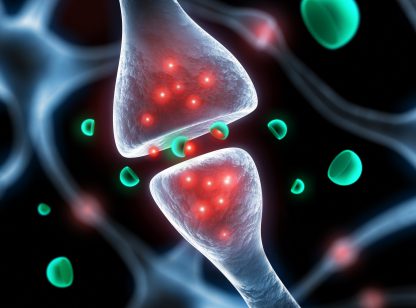
Whole grain foods. Whole-grain pasta, rice and bread have several powerful benefits as they are rich in magnesium, and magnesium deficiency may lead to anxiety. It also contains tryptophan, which becomes serotonin, a calming neurotransmitter in your brain. So, make sure you switch your white bread, pasta and rice to healthier whole-grain options and continue to eat in moderate portions.
Seaweed. Seaweed has many of the same benefits as whole grains. Not only is it rich in nutrients, it’s also high in magnesium and tryptophan. Seaweed is a good alternative to whole grains for these nutrients if you are gluten-sensitive.
Avoiding foods that contribute to anxiety can also be very beneficial. For example, highly processed foods containing fat, sugar and salt, fried foods, sugary foods and drinks and alcohol should be limited or avoided altogether.
It is a good idea to keep a food diary for the week and write down any foods that may trigger an anxiety attack. You may find that your morning coffee is fine, but drinking it throughout the day affects your mood.
Listen to your body; it will tell you when it needs a little help.
Reader’s Question Corner
Karen in Palm Desert has asked, “Do you have an opinion on the supplement berberine and its ability to lower blood sugar and help with weight loss?”
Berberine is a compound found in the roots, leaves, stems and bark of plants such as barberry, Oregon grape and tree turmeric. Plants containing berberine have been used medicinally for thousands of years in Ayurvedic and traditional Chinese medicine.
It has gained popularity online as a supplement for diabetes, high cholesterol, high blood pressure, and more recently as a weight loss aid because of its ability to stabilize blood sugar levels.
I advise clients that berberine is a safe, effective and proven treatment for weight management and improving metabolic health.1 Its ability to control blood sugar, accelerate fat-burning and reduce fat storage makes it a popular choice for anyone on a weight loss program.
Monica Price is a nutritional therapist and a European health expert. She is a television and radio presenter for numerous media outlets and host of “The Monica Price Show.” Monica invites your questions and can be reached at monica@monica-price.co.uk.
Reference: 1) https://www.sciencedirect.com/science/article/pii/S0753332220303292



















Comments (0)